
A new worker climbs into a skid steer for the first time. He's watched other operators do it. He's pretty sure he knows the controls. How hard can it be?
A few minutes later he's struggling to position the bucket properly, getting frustrated, and realizing there's a lot more to operating equipment than moving a few levers.
We hear stories like that more often than you'd think.
The truth is, running heavy equipment safely takes skill. Real skill. Not just confidence.
That's why Equipment Operator Training is so valuable. Good training teaches far more than how to start a machine and move dirt around. It helps operators understand how equipment works, how to stay safe, and how to avoid the kinds of mistakes that can damage equipment, injure workers, or shut down a job site.
At Safety Buzz Campus in Bonnyville, we work with people entering the workforce, experienced operators looking to upgrade their skills, and employers who want safer, more productive crews.
And one thing becomes pretty obvious after every course.
The best operators aren't necessarily the ones who work the fastest.
They're the ones who work the smartest.
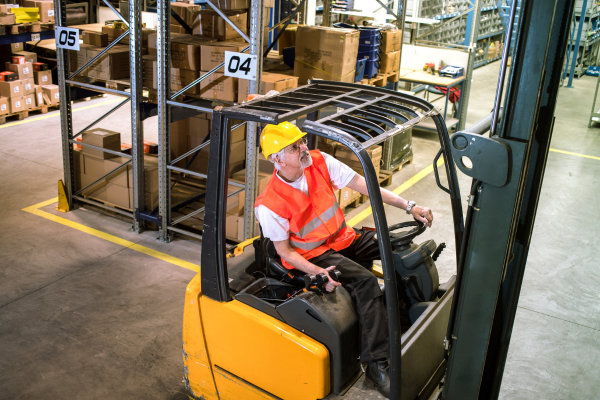
Why Does Equipment Operator Training Matter?
Bonnyville and the surrounding area rely heavily on skilled equipment operators.
Oilfield projects.
Construction sites.
Road work.
Agricultural operations.
Industrial facilities.
Heavy equipment is part of everyday work in northeastern Alberta, and the demand for qualified operators continues to grow.
The problem is that equipment has become increasingly sophisticated.
Modern machines aren't just bigger versions of older equipment. They're packed with safety systems, electronics, sensors, and operational requirements that many people never learn properly without training.
A lot of costly mistakes happen because someone was shown the basics but never received formal instruction.
Skill #1: Learning Safe Equipment Operation
This is usually the first thing people think about.
Professional Equipment Operator Training teaches operators how to safely control equipment under real-world conditions.
That includes:
Starting and shutting down equipment correctly
Safe movement and positioning
Proper loading techniques
Operating on uneven terrain
Working around people and obstacles
Simple things matter.
For example, understanding blind spots can prevent serious incidents. Many machines have areas where operators simply can't see what's happening without checking mirrors, cameras, or changing position.
A few extra seconds can make a huge difference.
Skill #2: Hazard Recognition
One of the biggest benefits of Equipment Operator Training is learning how to spot hazards before they become problems.
Experienced operators are constantly scanning their surroundings.
They're watching for:
Ground conditions
Overhead power lines
Underground utilities
Nearby workers
Equipment traffic
Weather changes
Good operators almost develop a sixth sense for trouble.
That's not luck.
It's training combined with experience.
Skill #3: Understanding Equipment Limitations
Every machine has limits.
A skid steer isn't an excavator.
A forklift isn't a telehandler.
A loader isn't a crane.
That sounds obvious, but equipment misuse causes countless incidents every year.
Professional training helps operators understand:
Load capacities
Stability limits
Manufacturer guidelines
Safe operating angles
Machine-specific restrictions
Knowing what equipment can't do is often just as important as knowing what it can do.
Skill #4: Pre-Operation Inspections
This is one area where new operators often underestimate the importance of training.
Many people just want to jump into the machine and get to work.
Experienced operators know better.
A proper inspection can identify:
Hydraulic leaks
Damaged tires or tracks
Faulty controls
Fluid issues
Safety system failures
A five-minute inspection can prevent thousands of dollars in repairs.
Or worse.
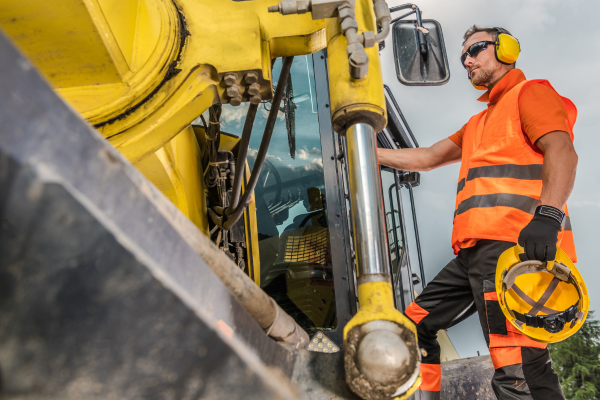
Skill #5: Communication on Busy Job Sites
Operating equipment isn't a solo activity.
Construction sites, industrial facilities, and oilfield projects involve multiple workers performing different tasks at the same time.
Training helps operators learn how to communicate effectively with:
Spotters
Ground crews
Supervisors
Other operators
Miscommunication causes more incidents than many people realize.
Especially when visibility is limited.
Especially when everyone's trying to move quickly.
Skill #6: Increased Confidence
This one might surprise some people.
Good training builds confidence.
Not the kind of confidence that leads someone to take shortcuts.
The useful kind.
The kind that comes from understanding what you're doing.
We've seen workers arrive nervous about operating equipment and leave feeling comfortable and capable.
That's a big deal.
When operators understand their machines, they're less likely to panic, make rushed decisions, or hesitate during critical situations.
Skill #7: Better Productivity
Employers notice this one right away.
Properly trained operators tend to work more efficiently because they understand:
Equipment capabilities
Proper operating procedures
Safe work practices
Site coordination
They're spending less time correcting mistakes.
Less time damaging equipment.
Less time waiting for instructions.
The result is smoother operations and fewer delays.
What Happens When Operators Don't Receive Proper Training?
Unfortunately, the consequences can be significant.
We've all heard stories.
Equipment gets damaged.
Projects fall behind schedule.
Workers get injured.
Insurance claims increase.
Some incidents are relatively minor.
Others are life-changing.
Most employers would rather invest in training upfront than deal with the fallout afterward.
It's usually far less expensive.
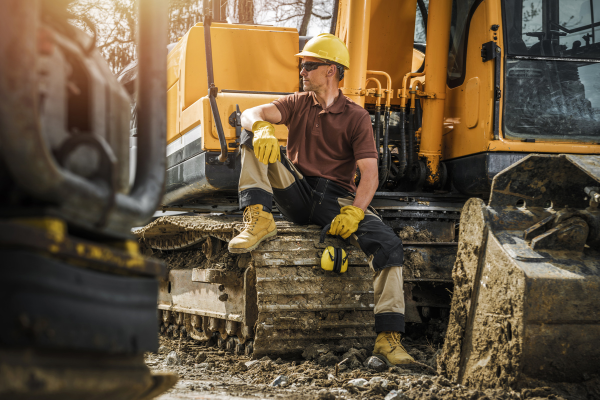
Is Equipment Operator Training Worth It for Experienced Workers?
Absolutely.
Experience matters.
But experience doesn't automatically mean someone learned the correct procedures.
Sometimes experienced operators pick up habits over the years that aren't actually the safest or most efficient.
Training provides an opportunity to refresh knowledge, learn updated regulations, and improve existing skills.
We've had operators with decades of experience tell us they learned something new during training.
That happens more often than people think.
Why Equipment Operator Training Matters in Bonnyville
Bonnyville's workforce faces unique challenges.
Winter conditions.
Remote job sites.
Oilfield operations.
Heavy industrial work.
Variable terrain.
These environments demand skilled operators who can adapt to changing conditions while maintaining safety standards.
A machine that performs well on a sunny summer day can become much more challenging to operate during icy winter conditions.
Training helps prepare operators for those realities.
Not just ideal conditions.
Real conditions.
Frequently Asked Questions
-
No. Many training programs are designed for beginners and provide foundational knowledge before introducing practical operating skills.
-
Training length varies depending on the equipment type and certification requirements. Some courses can be completed in a day, while others require additional practical training.
-
Many employers prefer hiring workers who have completed recognized training programs. Certification demonstrates that you understand safety requirements and basic operating procedures.
-
Not at all. Equipment operators work in construction, oil and gas, agriculture, industrial facilities, municipalities, and many other industries throughout Alberta.
Build Skills That Last
Learning to operate equipment safely is about more than passing a course or receiving a certificate.
It's about building skills that stay with you throughout your career.
At Safety Buzz Campus, we provide Equipment Operator Training designed to help workers gain practical knowledge, improve safety awareness, and develop the confidence needed to succeed on today's job sites.
If you're looking to start a career as an equipment operator or want to strengthen your existing skills, contact Safety Buzz Campus in Bonnyville to learn more about available training programs.