
How Proper Ground Disturbance Training Prevents Costly Incidents
A crew arrives on site just outside Bonnyville. The equipment is ready, permits are in place, and everyone wants to get the job done before the weather changes.
Then it happens.
Someone digs where they shouldn't.
Maybe it's a buried power line. Maybe it's a gas line. Maybe it's a communication cable that nobody realized was there.
Work stops immediately.
Now there's an investigation, repair costs, project delays, paperwork, and a lot of uncomfortable questions.
The truth is that many ground disturbance incidents aren't caused by bad workers. They're caused by assumptions, missed steps, or a lack of proper training.
That's exactly why Ground Disturbance Training is so important.
At Safety Buzz Campus in Bonnyville, we regularly work with contractors, oilfield workers, equipment operators, and crews who need to understand what's below the ground before they start digging.
Because once a line gets hit, it's already too late.
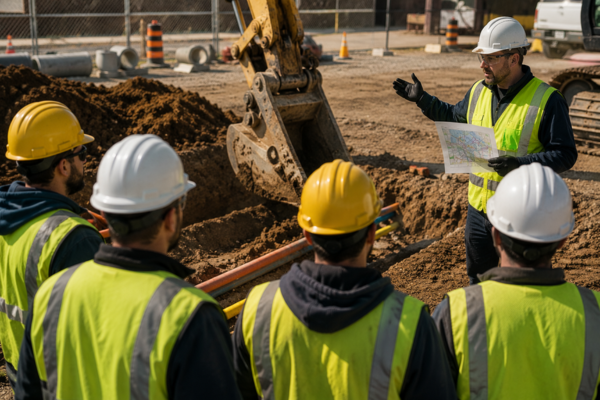
Why Does Ground Disturbance Training Matter?
Ground disturbance refers to any activity that disturbs the ground.
This includes:
Excavating
Trenching
Digging
Driving posts
Piling
Augering
Grading
Soil removal
Many people assume that if they're only digging a small hole or working in a familiar area, the risks are low.
That's not always true.
Underground infrastructure exists almost everywhere. Gas lines, electrical cables, fibre optic lines, pipelines, water services, and communication networks can all be buried beneath the surface.
One wrong move can result in:
Serious injuries
Fires or explosions
Service disruptions
Environmental damage
Regulatory penalties
Expensive repairs
Project shutdowns
A few hours of training is a lot cheaper than dealing with a utility strike.
What Can Happen When Ground Disturbance Procedures Are Ignored?
Some incidents make the news.
Most don't.
Many utility strikes happen on small job sites and local projects. A contractor is rushing. A locate wasn't reviewed properly. Someone assumes the line is deeper than it actually is.
Then suddenly the entire project is delayed.
In Alberta's oilfield and industrial sectors, these mistakes can become very expensive very quickly.
Lost production time alone can cost thousands of dollars.
The financial impact is obvious, but the safety risks are what concern us most.
Striking an electrical line can result in serious injuries.
Damaging a gas line can create a dangerous emergency situation.
And if workers haven't been properly trained, they may not know how to respond safely when something goes wrong.
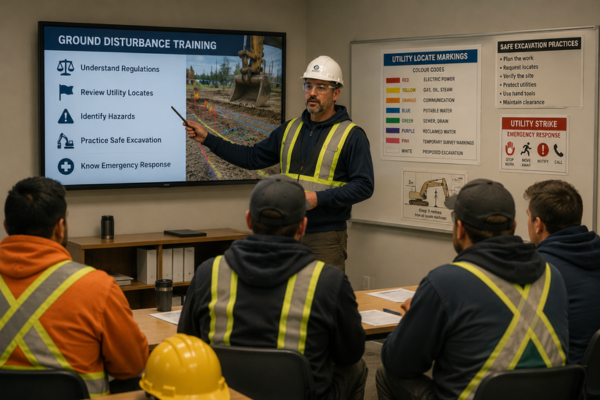
What Does Ground Disturbance Training Teach?
A quality Ground Disturbance Training course isn't just about memorizing regulations.
It's about helping workers make better decisions in the field.
Training typically covers:
Understanding Ground Disturbance Regulations
Workers learn Alberta requirements, industry standards, and their responsibilities before any digging begins.
Utility Locates and Site Assessment
Knowing how to read locate documentation and verify underground hazards is a critical part of the process.
Hazard Identification
Workers learn how to recognize potential risks before excavation starts.
Safe Excavation Practices
Training covers proper procedures, equipment use, hand exposure techniques, and protective measures around underground facilities.
Emergency Response
If a utility strike occurs, workers need to know exactly what to do.
Those first few minutes matter.
Ground Disturbance Training Isn't Just for Equipment Operators
One misconception we hear fairly often is that only excavator operators need training.
Not true.
Ground disturbance responsibilities can apply to:
Supervisors
Project managers
Labourers
Equipment operators
Foremen
Utility workers
Oilfield crews
Construction workers
Anyone involved in planning, supervising, or performing ground disturbance work benefits from understanding the risks and procedures.
In many cases, multiple people on the same job site share responsibility.
Why This Training Is Especially Important in Alberta
Bonnyville and the surrounding area are home to a wide range of industrial activity.
Oil and gas operations.
Pipeline projects.
Commercial construction.
Municipal infrastructure work.
Agricultural developments.
Many of these projects take place in areas with extensive underground utility networks.
Some sites may contain decades of existing infrastructure.
Others have newer installations that workers may not immediately recognize.
The more underground congestion there is, the greater the risk.
That's one reason Ground Disturbance Training continues to be a requirement for many employers across Alberta.
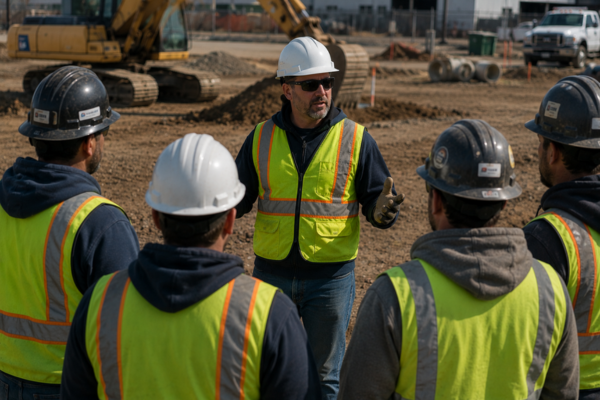
How Often Should Ground Disturbance Training Be Renewed?
Training requirements can vary depending on employer policies and industry standards.
Many companies require workers to maintain current certification and complete refresher training periodically.
Even experienced workers benefit from updates.
Regulations change.
Procedures evolve.
Bad habits can develop over time.
We've seen workers with years of experience pick up valuable reminders during recertification courses.
Nobody knows everything.
A Small Investment That Can Prevent Big Problems
Most workers don't show up to a job site expecting something to go wrong.
But incidents rarely announce themselves ahead of time.
That's why preparation matters.
Good training helps workers slow down, assess hazards, follow procedures, and make safer decisions.
The goal isn't simply checking a box on a safety form.
It's making sure everyone goes home at the end of the day.
That's something worth investing in.
Frequently Asked Questions
-
Often, yes. Supervisors, foremen, labourers, and project managers may all have responsibilities related to ground disturbance activities. Many employers require anyone involved in excavation work to be trained.
-
Course lengths can vary depending on the program and certification level. Most courses can be completed within a day, making it a relatively small time commitment compared to the risks involved.
-
Many employers and industries require it, especially in construction, oil and gas, utilities, and infrastructure projects. Training helps workers comply with Alberta regulations and industry best practices.
-
The response depends on the type of utility involved, but workers should immediately stop work, secure the area, and follow emergency procedures. Proper training helps workers understand exactly how to respond safely.
Get Ground Disturbance Training in Bonnyville
If your work involves digging, excavating, trenching, or disturbing the ground in any way, proper training isn't something to put off until later.
Safety Buzz Campus provides Ground Disturbance Training for workers and employers throughout Bonnyville and the surrounding area. Our instructors focus on practical, real-world knowledge that helps crews stay safe and avoid costly incidents on the job site.
If you need training for yourself or your team, contact Safety Buzz Campus today to learn more about upcoming courses and certification options.