
Key Components of Effective Fall Protection Training
Why Fall Protection Training Matters
Falls are one of the leading causes of workplace injuries and fatalities. Proper fall protection training ensures employees understand hazards, equipment use, and safe practices. It’s not just compliance—it’s about saving lives.
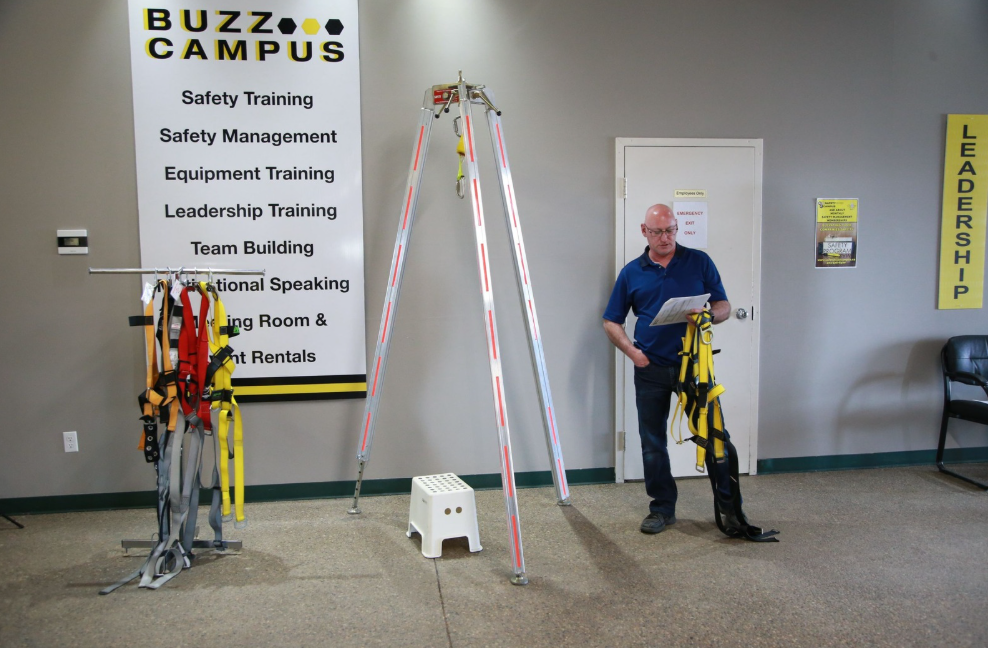
Core Elements of Effective Training
1. Hazard Identification
Employees must learn to recognize potential fall hazards in their work environment. This includes elevated platforms, ladders, scaffolding, and unprotected edges.
2. Proper Use of Equipment
Training should cover how to inspect, wear, and maintain personal protective equipment (PPE) like harnesses, lanyards, and anchor points.
3. Emergency Procedures
Workers need clear instructions on what to do if a fall occurs, including rescue plans and communication protocols.
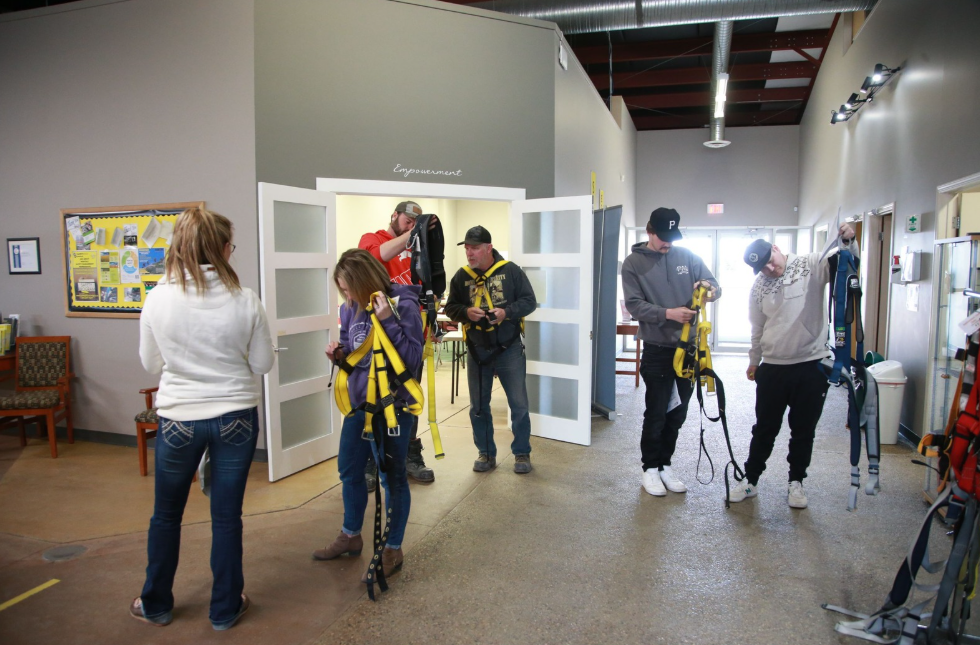
4. Hands-On Practice
Theory is important, but practical exercises help reinforce skills. Simulated scenarios build confidence and competence.
5. Compliance and Documentation
Ensure your training meets regulatory standards and that all sessions are documented for audits and safety records.
Benefits of Comprehensive Training
Reduces workplace accidents
Improves employee confidence
Meets legal and industry standards
Protects your company from liability
Ready to Elevate Your Safety Standards?
At Safety Buzz Campus, we specialize in delivering engaging, effective fall protection training tailored to your industry needs.
Book Your Training Today!