
Confined Space Hazards: What Every Worker Needs to Know
Why Confined Space Safety Is Critical
Confined spaces pose unique hazards such as limited airflow, toxic gases, and restricted movement. Proper training ensures workers can identify risks and respond effectively.
Key Elements of Confined Space Training
1. Hazard Recognition
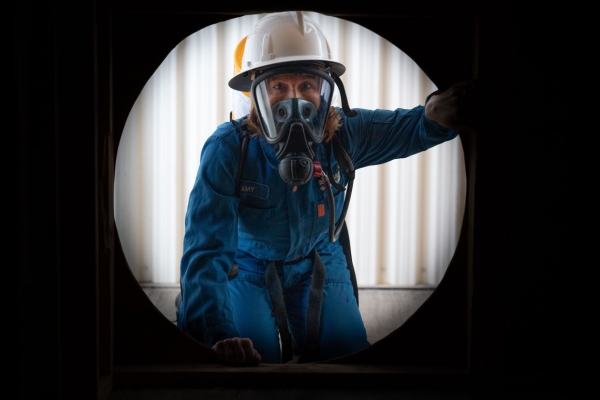
Workers must understand the dangers of confined spaces, including oxygen deficiency, flammable gases, and physical entrapment.
2. Atmospheric Testing
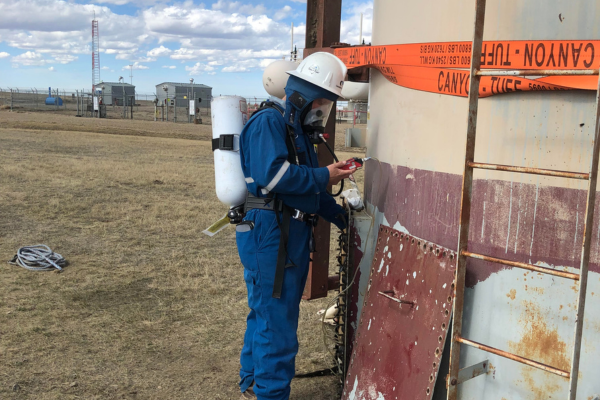
Training should cover how to test air quality before entry and monitor conditions during work.
3. Permit Systems
Employees need to know how entry permits work and why they’re essential for safety compliance.
4. Emergency Response
Clear rescue plans and communication protocols are vital for quick action in emergencies.
Benefits of Confined Space Training
Reduces risk of injury or death
Ensures compliance with safety regulations
Builds confidence in high-risk environment
Take Action Today
At Safety Buzz Campus, we provide comprehensive confined space training tailored to your industry.
Book Your Training Now!